5 "Healthy Eating" Myths My Nutritionist Corrected Me On
Turns out, most of what I thought I knew about healthy eating was wrong. Here are five things my nutritionist had to correct me on.
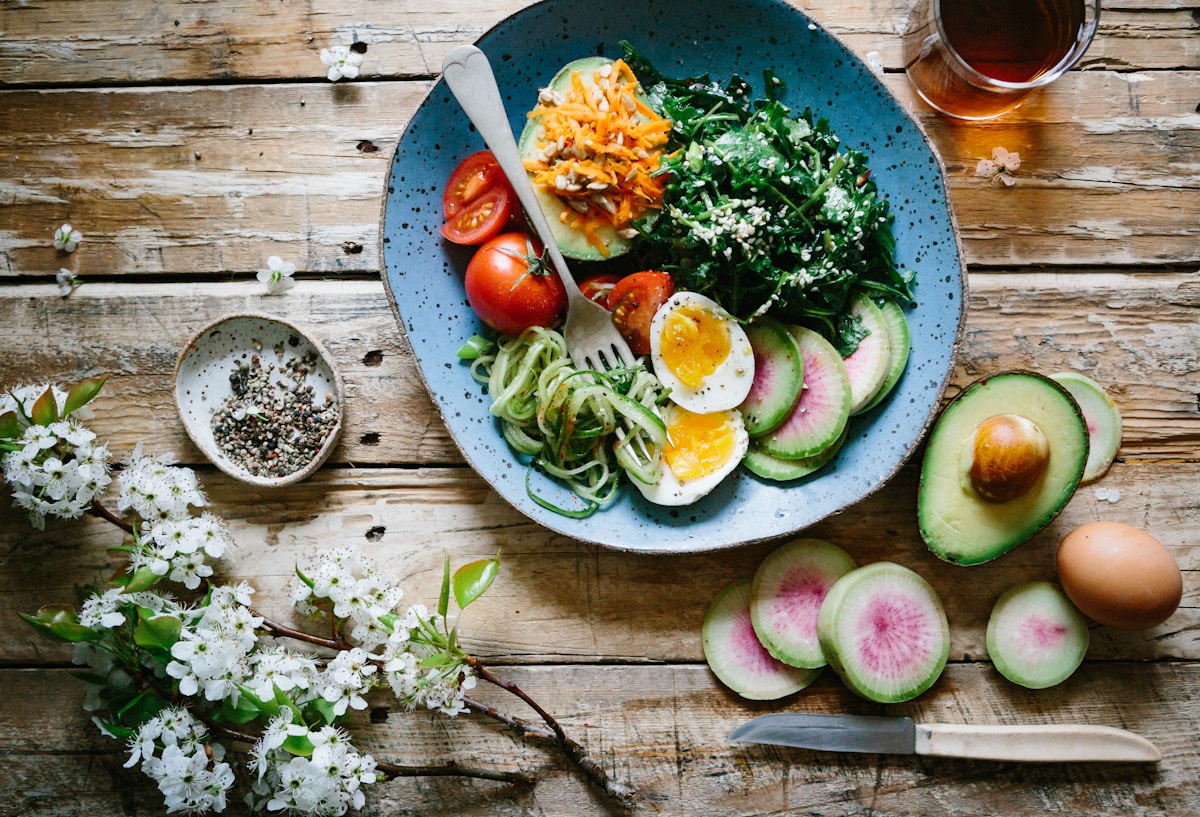
I thought I knew how to eat healthy. Salads for lunch, avoid carbs after 6 PM, eat organic whenever possible, drink lots of water. The usual advice you see on every wellness blog.
Then I met with a nutritionist for the first time (long story, but my doctor suggested it), and she spent the first 20 minutes correcting basically everything I believed about healthy eating.
Here are five things I was completely wrong about.
Myth 1: Eating After 6 PM Makes You Gain Weight
I'd been religiously avoiding food after 6 PM for months. If I got hungry at 8, I'd just drink water and tell myself it was "good discipline."
What my nutritionist said: "Your body doesn't have a magical clock that makes calories count more after 6 PM. Weight gain is about total calorie intake and expenditure over time, not when you eat."
She explained that if I eat dinner at 5:30 PM and go to bed at 11 PM, that's 5.5 hours without food. Meanwhile, I wouldn't hesitate to eat lunch at noon and dinner at 6 PM (6 hours). The timing doesn't matter – what matters is what and how much you're eating overall.
What I do now: If I'm genuinely hungry at 8 or 9 PM, I eat something. Usually something light, but I don't restrict myself based on an arbitrary time. And guess what? I haven't gained weight. I've actually lost a bit because I'm not binge-eating breakfast anymore out of extreme hunger from skipping evening snacks.
Myth 2: Carbs Are the Enemy
I was fully on the "carbs make you fat" train. Avoided bread, pasta, rice. Felt virtuous every time I turned down a sandwich.
What my nutritionist said: "Carbohydrates are your body's preferred energy source. The problem isn't carbs – it's the type and quantity."
She broke it down: refined carbs (white bread, sugary snacks) cause rapid blood sugar spikes and aren't very nutritious. Complex carbs (whole grains, sweet potatoes, legumes) provide sustained energy and are packed with fiber and nutrients.
Plus, cutting carbs entirely made me tired, cranky, and obsessed with food. Not exactly healthy.
What I do now: I eat carbs. But I focus on whole grains, sweet potatoes, quinoa, oats. I have toast with breakfast. I eat rice with dinner. And I feel so much better – more energy, better workouts, and way less food anxiety.
Myth 3: Organic = Healthier
I was spending a fortune at Whole Foods buying organic everything. If it wasn't organic, I felt like I was poisoning myself.
What my nutritionist said: "Organic is about how food is grown, not its nutritional content. A conventional apple and an organic apple have basically the same vitamins and minerals."
She explained that organic is great if you're concerned about pesticides and environmental impact, but it doesn't make food inherently more nutritious. A non-organic banana is still better for you than an organic cookie.
What I do now: I buy organic for the "Dirty Dozen" (strawberries, spinach, etc. – the produce with highest pesticide residue). For everything else, I buy conventional and save a lot of money. That money goes toward buying more variety of fruits and vegetables, which actually improves my diet.
Myth 4: You Need to Detox
I'd done several "cleanses" and "detox" programs. Green juice for three days. Special teas. Expensive supplements. I thought I was helping my body eliminate toxins.
What my nutritionist said: "You have a liver and kidneys. They detox for you. For free. You don't need a juice cleanse."
This one kind of blew my mind. She explained that unless you have a medical condition, your body is constantly detoxifying itself. Those expensive detox programs don't do anything that your organs aren't already doing better.
Plus, many "detox" diets are super low in calories and protein, which can actually make you feel terrible and lose muscle mass.
What I do now: I support my body's natural detox systems by eating a balanced diet with plenty of fiber (helps digestion), staying hydrated, and getting enough sleep. Saved myself hundreds of dollars and a lot of unnecessary suffering through juice cleanses.
Myth 5: Healthy Eating Means Restriction
I thought being healthy meant constantly saying no. No dessert. No pizza. No "bad" foods. I had this whole mental list of forbidden foods and felt guilty whenever I ate them.
What my nutritionist said: "Restriction often leads to binging. A healthy diet includes all foods. It's about balance and frequency, not elimination."
She introduced me to the 80/20 rule: aim for nutritious, balanced meals 80% of the time, and don't stress about the other 20%. Having ice cream doesn't undo a week of healthy eating.
This was revolutionary for me. She said the goal is to build a sustainable relationship with food, not to be "perfect."
What I do now: I eat mostly whole foods – vegetables, fruits, proteins, whole grains. But I also have dessert when I want it. I get pizza with friends. I don't label foods as "good" or "bad." And paradoxically, I eat better overall because I'm not constantly feeling deprived and then binging on everything in sight.
What Actually Matters
After several sessions, my nutritionist boiled healthy eating down to a few key principles:
- Eat enough protein (I wasn't eating nearly enough)
- Include lots of vegetables (obvious but important)
- Don't skip meals (leads to poor choices when you're starving)
- Stay hydrated (actual water, not just coffee)
- Listen to your hunger cues (eat when hungry, stop when full)
- Stop stressing about every single food choice (stress is also unhealthy)
The Biggest Change
The most unexpected benefit of unlearning these myths? My relationship with food is so much healthier.
I used to think about food constantly. What I could eat, what I couldn't eat, whether I'd "been good" that day. Now I just... eat. I make mostly nutritious choices because they make me feel good, not because I'm forcing myself.
I have more energy. I enjoy meals instead of feeling guilty about them. And ironically, I'm healthier now than when I was obsessively following all those food "rules."
Turns out, healthy eating is a lot more simple – and a lot less restrictive – than the internet led me to believe.